
Sleep Comfortably on a Shoestring
Tonight we explore low-cost temperature control—cooling and warming hacks for comfortable nights—so you can fall asleep faster, wake happier, and keep utility bills tame. From clever airflow tricks to targeted heat, we will blend science, DIY ideas, and small, practical rituals anyone can try before bed, even in rentals. Expect resourceful fixes, safety notes, and realistic comparisons that help you decide what to try first, how to adapt for humidity or dry air, and how to stay cozy without expensive equipment.
Cross-Breeze Mastery
Use opposing windows and a cracked door to create a pressure path that encourages cooler evening air to replace built-up heat. Aim a small fan outward from the hottest window to exhaust stale air, while another fan, set on low, pulls fresh air from the coolest side. Elevate the exhaust slightly to capture rising warmth, and remember to close everything early in the morning to trap overnight coolness before the day reheats your space again.
Evaporative Tricks with Everyday Items
Dampen a thin cotton sheet, hang it near an open window, and place a gentle fan to move air across the surface, accelerating evaporation that steals heat from incoming airflow. Freeze water bottles and position them behind a fan so air skims the cold surface, offering a micro chill without expensive machines. Use caution in already humid climates, balancing comfort with mold prevention by venting moisture outward and avoiding prolonged saturation of fabrics.
Shade and Radiant Heat Tactics
Block evening sun before it hits glass by closing blinds early and adding reflective material behind curtains to bounce radiant heat outward. A light-colored, tightly woven curtain reduces glare and warms the room less. For renters, temporary window film or cardboard panels wrapped in foil can cut peak heat surprisingly well. At night, remove the panels and invite cooler air in, keeping thermal mass low so the bedroom cools quickly and stays comfortable.

Cozy Warmth That Does Not Drain Your Wallet
Build a gentle cocoon with layers, targeted heat, and breathable insulation that works with the body rather than fighting physics. Warmth should come to your skin where it counts, without overheating the whole home. We will use affordable tools like hot water bottles, layered blankets, well-chosen socks, and thermal traps to maintain comfort. The aim is steady, safe warmth that lasts all night without harsh temperature swings or utility bill spikes.
Smarter Bedding and Bedframes
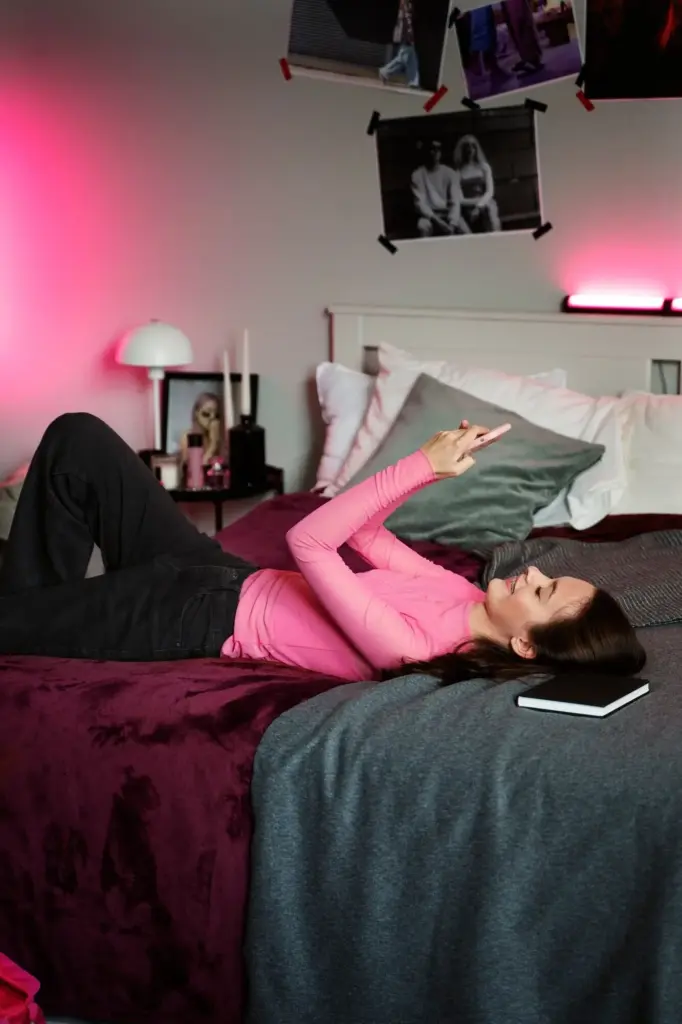
Bedding materials dramatically influence nighttime comfort. The weave, loft, and fiber behavior under humidity decide whether you sleep dry and balanced or wake sweaty and chilled. Consider how bedframes channel air around you, how toppers modify contact, and how materials like wool or latex buffer heat. We will pair affordable upgrades with thoughtful arrangements, proving that small changes to fabric and structure can transform perceived temperature without touching the thermostat.
Fabric Choices That Regulate Better
Percale weaves feel cooler than sateen thanks to crisper airflow, while linen excels at moisture management that keeps clamminess at bay. Bamboo viscose often feels cool initially yet may trap humidity under heavy layers. Lightweight wool surprisingly balances temperature across seasons, moving vapor without feeling itchy when properly finished. Choose pillowcases that dry quickly, and avoid thick, glossy microfiber that clings. Mixing textures strategically can stabilize comfort through shifting nighttime temperatures and individual body heat differences.
Toppers and Fill: Latex, Wool, Down, and Alternatives
A breathable latex topper adds buoyancy, reducing deep sink that traps heat around the torso. Wool pads regulate moisture, preserving a dry microclimate across several hours. Down insulates well but may overheat without vented layers. Consider synthetic fills engineered for airflow if allergies or budget constrain choices. The goal is comfort tuning rather than luxury collecting. Trial inexpensive options first, track how you feel across weather changes, and commit only when a material consistently improves your sleep.
DIY Gadgets and Tiny Upgrades
Small devices, smart placement, and cheap materials can multiply comfort. A quiet USB fan near your neck or feet tweaks microclimates with pennies of electricity. Reflective coverings, weatherstripping, and light-blocking curtains tame radiant heat and drafts. Improvised cooling packs or gentle warming tools bridge seasonal transitions gracefully. We will weigh costs, noise, and maintenance, so you can adopt quick wins tonight and plan modest upgrades that continue paying off every single evening.
Daily Habits, Timing, and Nutrition
Your body manages heat on a rhythm. Gentle routines steer that rhythm toward comfort at bedtime. A warm shower that triggers post-shower cooling, well-timed fluids, and lighter evening meals help stabilize temperature. Spicy foods can initially warm yet may trigger sweat that cools later. Align exercise and sunlight earlier to guide circadian cues, and minimize blue-light exposure to support natural melatonin, easing temperature drop that invites sleep without costly climate control.

Heat and Cold Risks: Know the Signs
Overheating brings dizziness, headache, and nausea; chilling causes numb fingers, shivering, and confusion. Watch for these signals and respond early by adjusting layers, fluids, and ventilation. Keep a thermometer and hygrometer nearby to decide if humidity or air temperature is the real culprit. If illness, medications, or age reduce heat tolerance, err on caution and prioritize gentle stability. Comfort is meaningful only when it protects health, especially during prolonged heatwaves or sudden cold snaps.

Power and Fire Safety on a Budget
Inspect cords for fraying, avoid daisy-chaining power strips, and keep soft materials clear of fans and heaters. Choose devices with automatic shutoff where possible, and never leave improvised warming tools unattended. Use grounded outlets and avoid overloading circuits with multiple high-draw appliances. Check smoke and carbon monoxide alarms monthly if using any combustion-based heating nearby. Responsible setup lets you enjoy thrifty comfort upgrades without inviting avoidable risks or costly emergencies that undermine savings.