
Sleep Better for Less: Smart, Affordable Ways to Boost Rest and Recovery
How Affordable Sleep Devices Capture What Matters
Prioritize Features, Not Hype or Shiny Extras
Battery Life and Nightly Comfort Come First
App Clarity, Exports, and Owning Your Data
Accuracy Matters, Consistency Wins Decisions
Build a Better Sleep Environment on a Small Budget
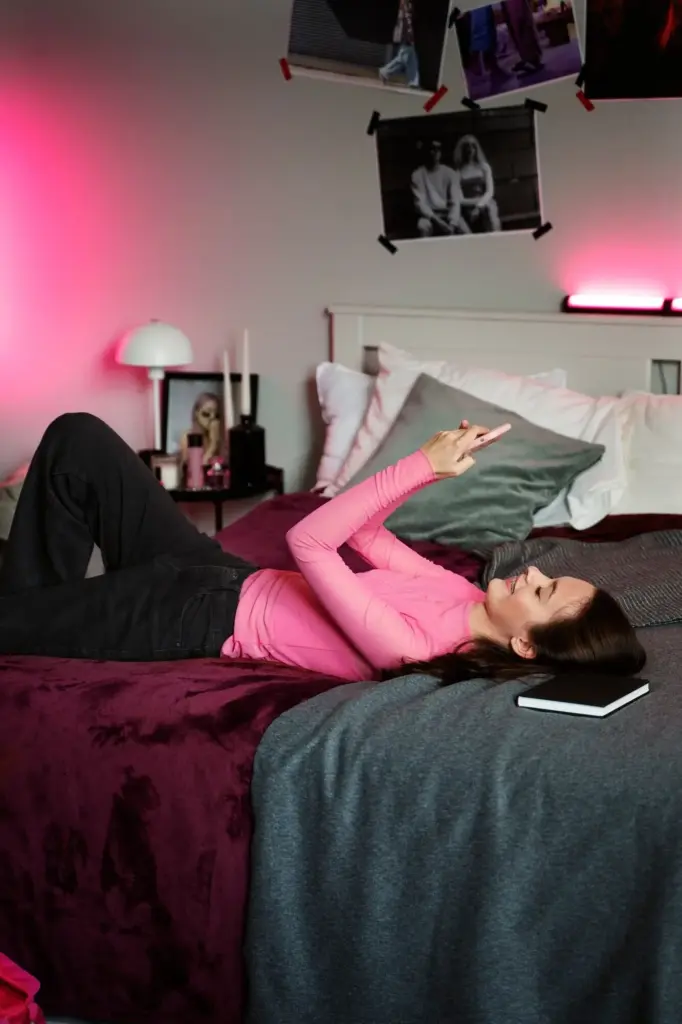
Lighting That Signals Wind-Down Without Fuss
Warm, dim light in the last hour before bed supports melatonin and relaxation. Budget smart bulbs let you schedule gentle amber tones and gradual fades that cue your brain for rest. Combine this with reduced screen brightness or blue-light filters. Over a week, watch sleep onset improve and midnight scrolling lose its grip. Simple environmental cues often beat willpower when fatigue hits hardest.
Cooler Air, Quieter Nights, Deeper Rest
Sleep quality improves in slightly cooler rooms, especially with steady airflow. A basic fan, breathable sheets, and unobtrusive temperature tracking can make meaningful differences. If central control is impossible, aim localized: lighter blankets, cotton pillowcases, and a fan set to constant. Pair this with your device’s disturbance graph. Fewer restlessness spikes confirm the change, and the comfort you feel each morning seals the habit.

Turn Simple Metrics Into Better Evenings and Mornings
Automate a Wind-Down That Actually Happens
Gentle Wake-Ups Reduce Grogginess and Stress

Weekly Reviews That Actually Change Behavior

Recovery Wins for Athletes and Desk Workers Alike
Protect Privacy, Stretch Durability, Multiply Value